FTL vs LTL — and when LTL is a trap
Anything over 12 pallets or 15,000 lbs almost always pencils out cheaper FTL once you factor reclass risk, accessorials, and transit time. LTL hubs touch your freight 3–5 times. Plan for it.

Mason Thunder is a crew of US-based logistics veterans. Brokers, dispatchers, customs nerds, claims hawks, ex-drivers. We don't sell consulting hours. We publish the bare-knuckle playbook our industry refuses to write down.
Trucking, LTL, FTL, intermodal, drayage, last mile — across all 50.
Charter, consolidated, expedited, ULDs, dim weight, AOG.
FCL, LCL, NVOCC, demurrage, detention, blank sailings.
HTS, ISF, CBP exams, FDA, USDA, antidumping, Section 301.
All-risk vs named perils, GA, concealed damage, subrogation.
Strategic theft, double brokering, fictitious pickups, red zones.
The lower 48 are a knife fight. Capacity swings 20% on a bad weather week, rates flip overnight, and the spread between a great carrier and a wheel-falling-off operation is razor thin. Here's how to read it.
Anything over 12 pallets or 15,000 lbs almost always pencils out cheaper FTL once you factor reclass risk, accessorials, and transit time. LTL hubs touch your freight 3–5 times. Plan for it.
DAT/Truckstop rates are a lagging signal. Compare RPM net of fuel, check the broker's MC age, days-to-pay, and whether the lane is a known back-haul desert.
Inside ~700 miles, truck wins on time and damage. 700–1,800 miles, intermodal saves 15–30% if your dock can absorb a ±2 day window. Beware ramp dwell.
Pick chassis source carefully — pool vs SCAC-owned changes per-diem clocks. Always ask about pier pass, clean truck fees, and night gates.
Threshold, room of choice, white glove, and lift-gate are not the same SKU. Spec it in the rate confirmation or eat the reschedule.
Temp recorder placement, pre-cool times, washout fees, and continuous vs cycle mode all live in the BOL. Get them wrong, lose the claim.
Know your overall height and you know your trailer. 13'6" legal, 14'+ permits, 15'+ route survey. Tarping adds $150–$400 and a half day.
A 600-mile lane is a one-day run with a fresh clock and a two-day run with a 14 already burning. Dispatch around the clock, not the map.
Air is the fastest, most expensive, most paperwork-dense mode you'll touch. It's also where most shippers leave thousands on the table because they don't understand chargeable weight, ULDs, or how to talk to a forwarder.

Volumetric divisor is 166 in/lb (or 6000 cm/kg). One oversize light-density pallet can cost more than a dense one twice its weight. Build pallets short and tight.
Consol saves 20–40% but adds 1–3 days at the gateway. Direct is for high-value, time-critical, or hazmat that can't sit in a bond room.
When the line is down, NFO is justified. Have a pre-vetted forwarder with a 24/7 desk and a courier network. Don't shop it at 2am.
If it doesn't fit a PMC or LD3, it flies main deck — and main deck capacity is freighter-only. Know which carriers actually fly the lane.
Section II lithium is no longer a free pass. UN3480 needs Class 9 labels, CAO, and a trained shipper. One mis-declaration ends the relationship.
House vs Master, prepaid vs collect, NOTOC for DG, and the dim/actual split. Wrong commodity code = customs hold = your shipment sleeps in Memphis.
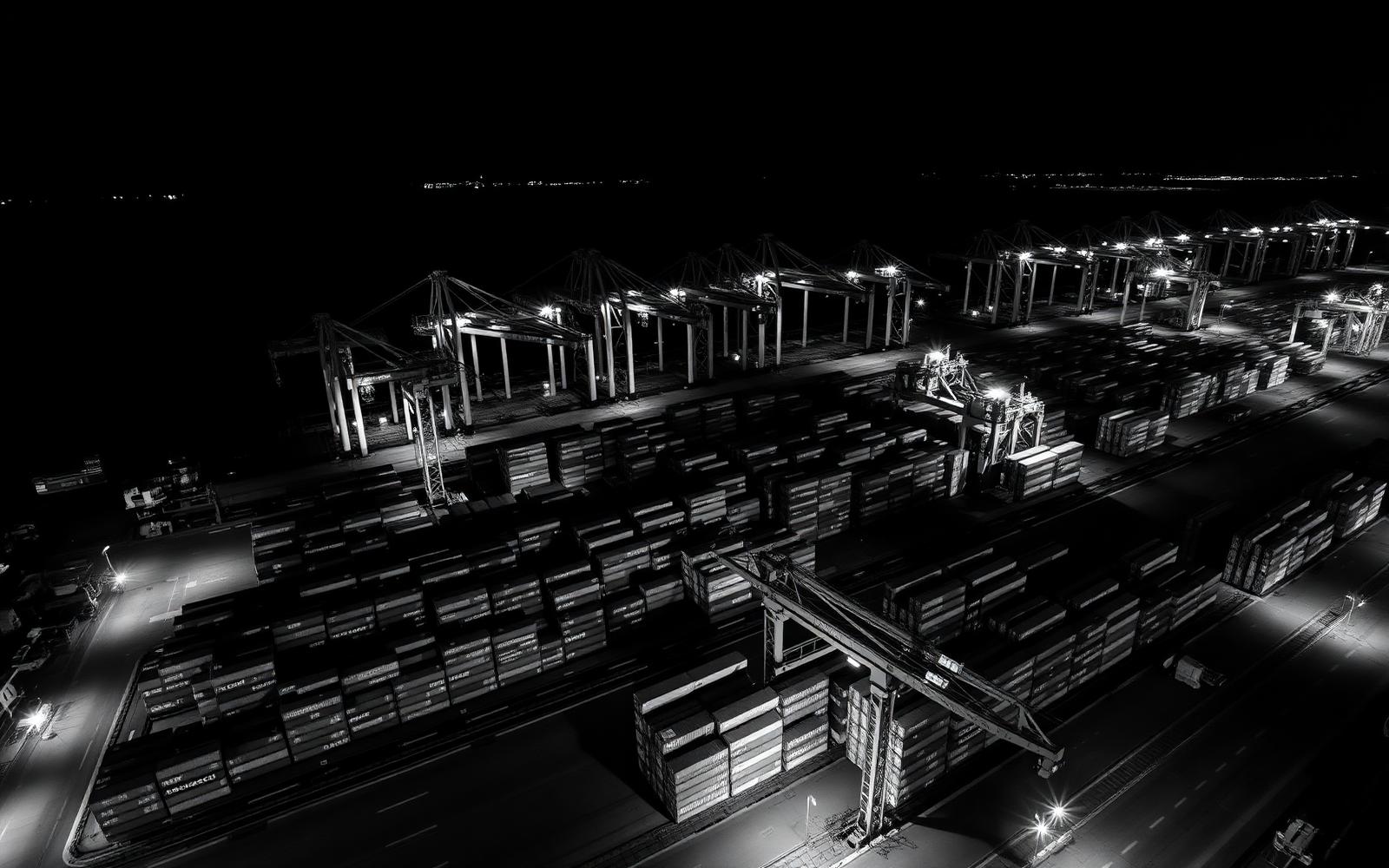
Ocean is patience-as-a-strategy. The mode is cheap per kilo and brutal on the clock. Blank sailings, rolled containers, port congestion, and demurrage clocks are the four horsemen — and they ride together.
Roughly 13–15 CBM is the crossover. Below that, LCL is cheaper; above that, FCL is faster, cleaner, and avoids CFS handling fees that nobody quotes upfront.
Base + BAF + LSS + PSS + CIC + ISPS + THC. Insist on a line-item quote. Surcharges are where forwarders make their margin.
Demurrage = container sitting AT the port past free time. Detention = container off-port, not returned. Both clocks run independently. Both bite.
Carriers cancel sailings to firm up rates. If your CY cutoff is Friday, file SI Tuesday, and get a written rolling-protection clause.
Original (negotiable) vs Seaway (non-negotiable) vs Telex release. Wrong one and your buyer can't take delivery — or worse, takes it without paying.
EXW vs FCA looks like a comma; it's a $50k insurance gap. DDP at the buyer's door means you owe their VAT. Pick terms that match your control.
CBP doesn't care about your launch date. A misclassified HTS, a late ISF, or a missing FDA prior notice can park your container for weeks and trigger a five-figure liquidated damages claim. Compliance is cheaper than discovery.
Pick the wrong heading and you either overpay duty for years or get hit with a CF-28/29 demand for back duty plus penalties. GRI rules exist for a reason — use them.
File 24 hours before vessel loading at origin. Late ISF = $5,000 per violation. Don't let your supplier file it without your sign-off.
Lists 1–4 cover most of what ships from China. Tariff engineering, country-of-origin substantial transformation, and FTZ usage are legal — sloppy versions are fraud.
Food, cosmetics, devices, wood packaging, radio frequency, refrigerants — each agency has its own hold. Build the PGA matrix before you book a container.
Importing more than ~$50k a year? Continuous bond is cheaper and faster. Get the formula right — your bond must be 10% of duties/taxes for the prior 12 months.
AD/CVD cases attach to product + country + manufacturer. A 200% margin doesn't show up on your commercial invoice. Scope rulings are your friend.
Real-world door-to-door windows from operators who've been moving freight since before track-and-trace was a website. Add buffer. Always add buffer.
Carrier liability is not insurance. Released-value at $0.50/lb on a pallet of electronics is a punchline. If you ship anything worth more than scrap, you need real cargo coverage — and you need to know how to file before damage even occurs.
All-risk covers everything not specifically excluded. Named perils only covers what's listed. The premium gap is small. The coverage gap is enormous.
Trucking caps at full value (Carmack) unless released. Ocean caps at $500/package (COGSA). Air caps at 22 SDR/kg (~$30/kg). Buy the gap.
Most carriers require written notice within 5 business days of delivery. Photograph the trailer seal, the load, every angle, before you sign clean.
If a vessel jettisons cargo or burns, every shipper on board pays a share. Without GA insurance, you post a cash bond before your container moves.
Your insurer pays you, then goes after the carrier. A clean BOL, dated photos, and a timely claim letter are what make recovery possible.
Used goods, perishables, live animals, art, and high-value tech often need specific endorsements. Read the policy schedule, not the sales pitch.
Cargo theft hit record numbers in 2024. It's organized, mobile, and increasingly digital. Strategic theft — fake carriers, identity theft of real MCs, double brokering — now outpaces straight pilferage. Defense is process, not luck.
Thieves clone a legitimate MC number, email a forged W-9 and COI, and pick up your load with a real-looking truck. Verify carrier by phone using FMCSA-listed numbers, not the ones on the rate confirmation.
Your broker tenders to a 'carrier' that re-brokers to an unknown third party. If that party damages or steals the load, you have no recourse. Demand single-tier brokerage in writing.
Memphis, Atlanta, Dallas, Ontario CA, and the I-95 corridor lead theft maps. Food/beverage, electronics, household goods, and metals are top targets. Plan layovers in secured lots — Blue Beacon, CargoNet-monitored.
A driver shows up with credentials that almost match. Confirm DOT, license, and trailer numbers against the rate confirmation. If anything's off — anything — stop the load.
OEM trailer trackers are known and disabled. Drop a covert battery tracker inside the load for high-value freight. Set geofence alerts for unscheduled stops > 15 min.
After 72 hours, recovery odds drop below 10%. File with local PD, FBI (over $500k), CargoNet, and your insurer immediately. Have the SOP printed and in the dispatch binder.
Logistics is a hundred sub-disciplines pretending to be one industry. Here's the shortlist of what we cover beyond the headline pillars.
Every shipper has been burned by a slick deck, a promised SLA, a "strategic partnership" that vanished the moment a container rolled. We built Mason Thunder because the industry's expertise lives in heads, on dock floors, in 2am phone calls — and almost never on a website.
So we're writing it down. The honest version. The version where reefers do break, claims do get denied, brokers do disappear, and the fix is usually paperwork you should have signed three weeks ago.
No consultants. No funnels. No fake claims. Just the playbook.